Skip to content

Wyrelane Creative Lab · built in public

Wyrelane Studio · Creative web development

Wyrelane Studio, creative web development: Wiringideas intoreality

Immersive websites and web apps that work.

Live · currently shipping
6Flagship experiences
16Technique experiments
6–12hReply window
Scroll-driven 3DShaders & motionBuilt by handWeb apps that shipWiring ideas into reality

The work · Immersive web flagships

Immersive websites,built end to end.

  • 01

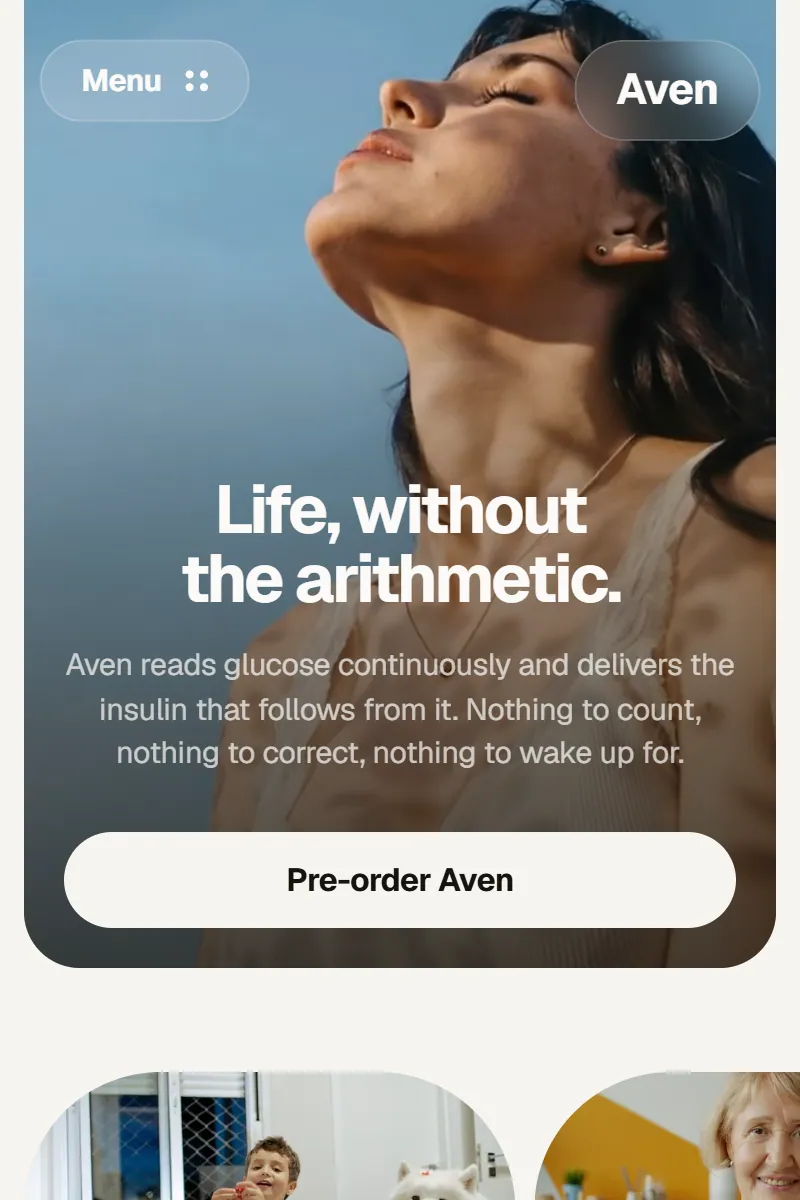
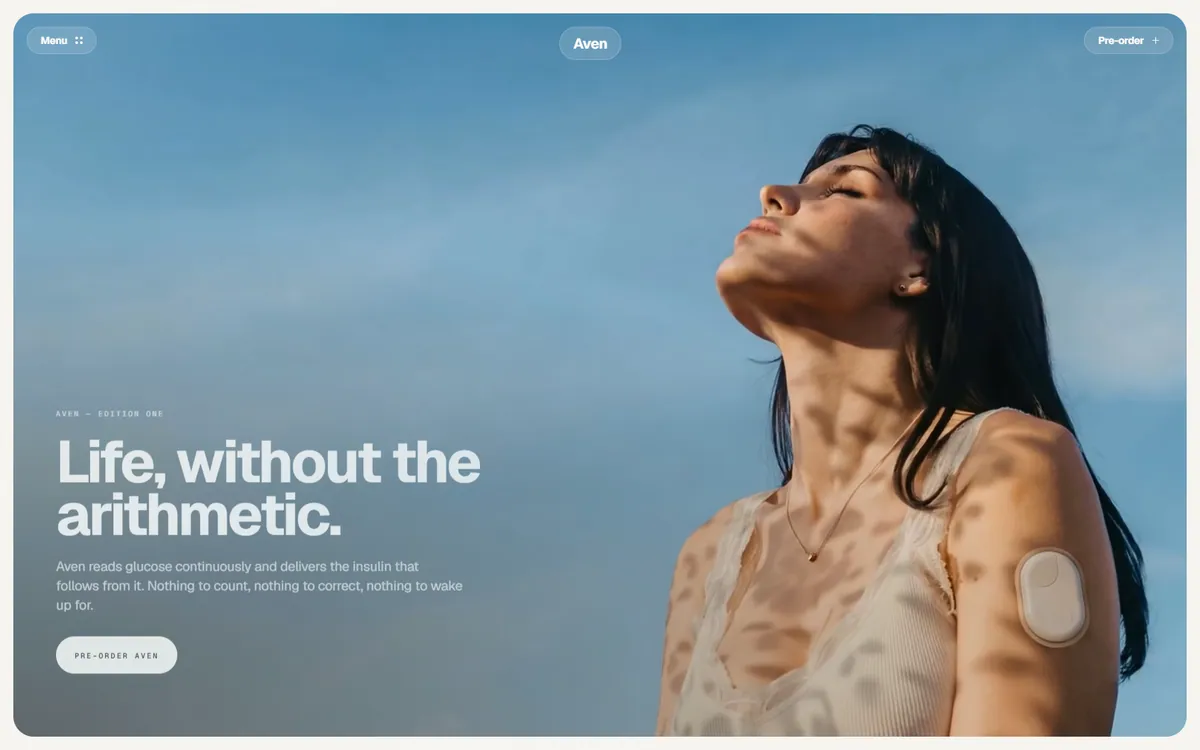
    Aven

    A product page with no canvas in it — every effect is video, images and CSS.

    nine scenes, zero WebGLTake a closer look

The lab · WebGL, GSAP & 3D experiments

One techniqueper experiment.

Every technique proved in isolation, tested on a phone.

All 16 experiments
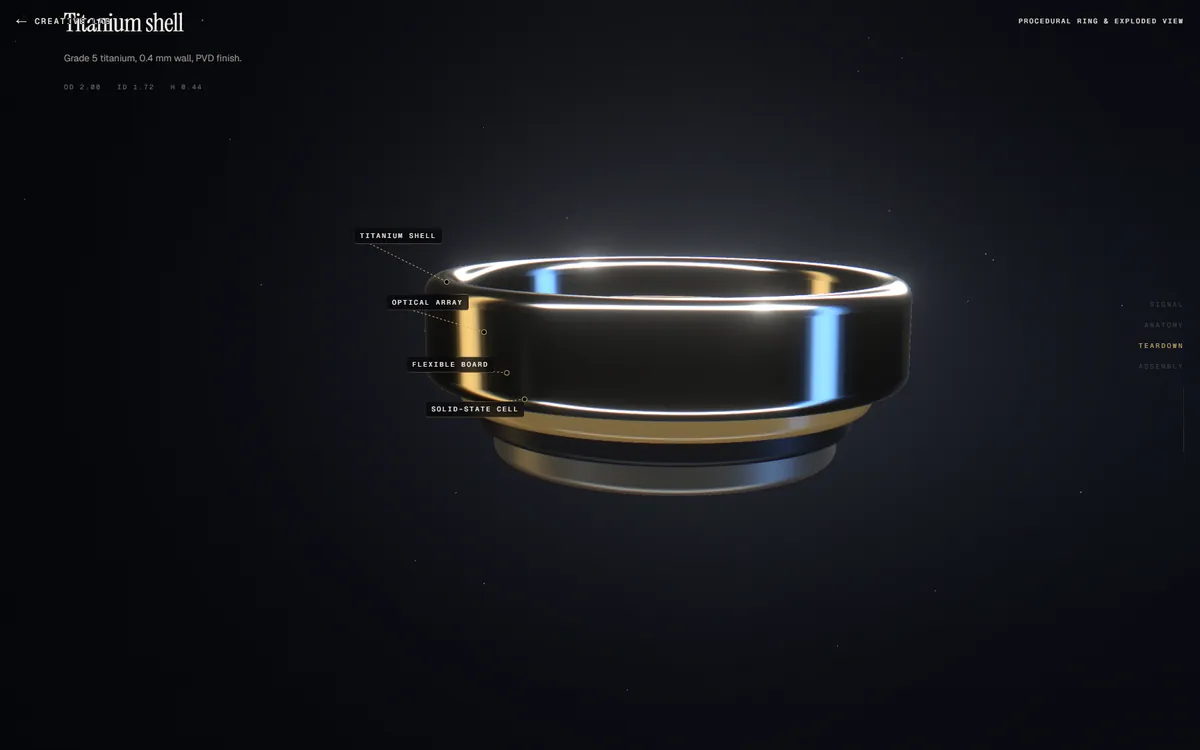
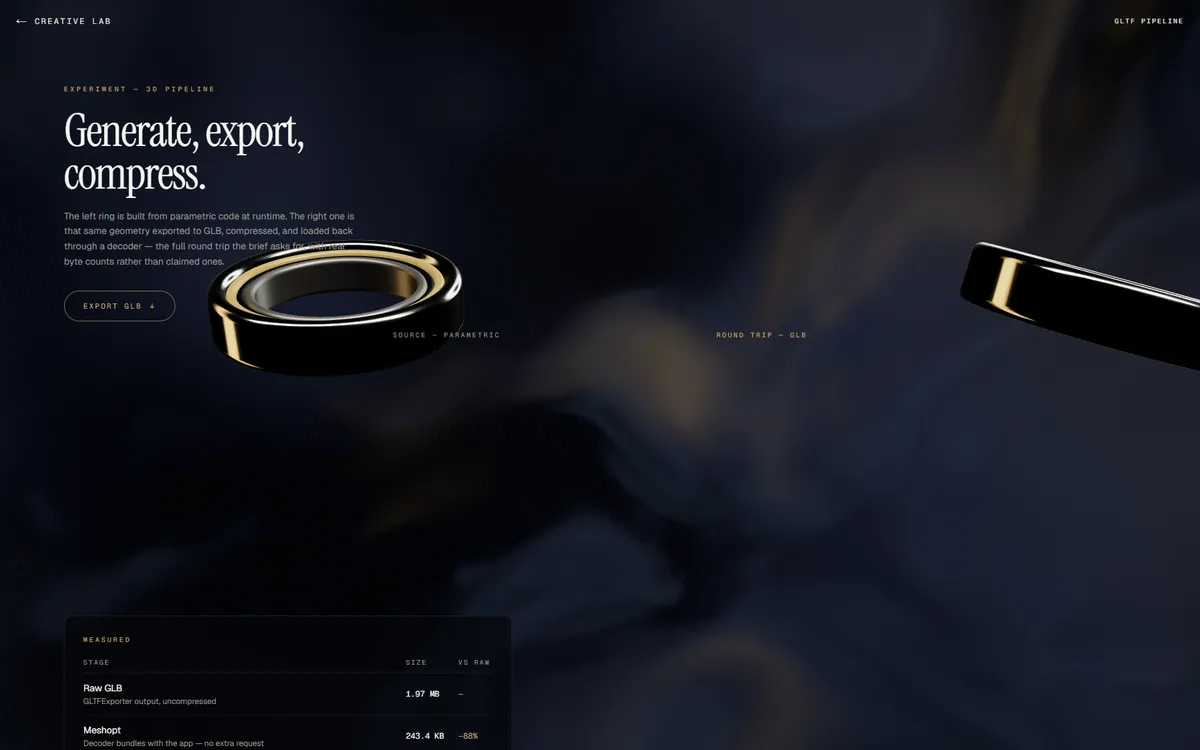
  1. 09GLTF pipelineParametric geometry → GLB → meshopt/Draco/simplify, with real byte counts from a build script.GLTFExportermeshoptDraco
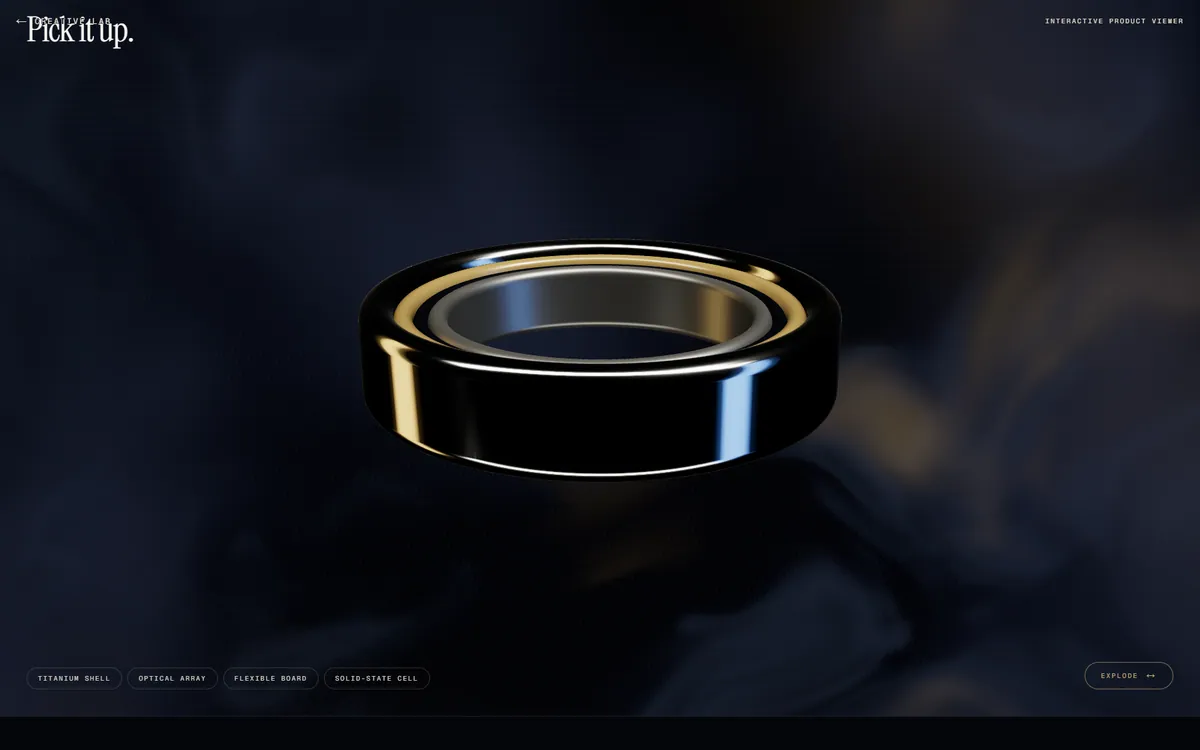
  2. 10Interactive product viewerVelocity-based inertia, keyboard rotation, part selection, and every canvas action mirrored as a real button.pointer captureinertiaR3F raycasting
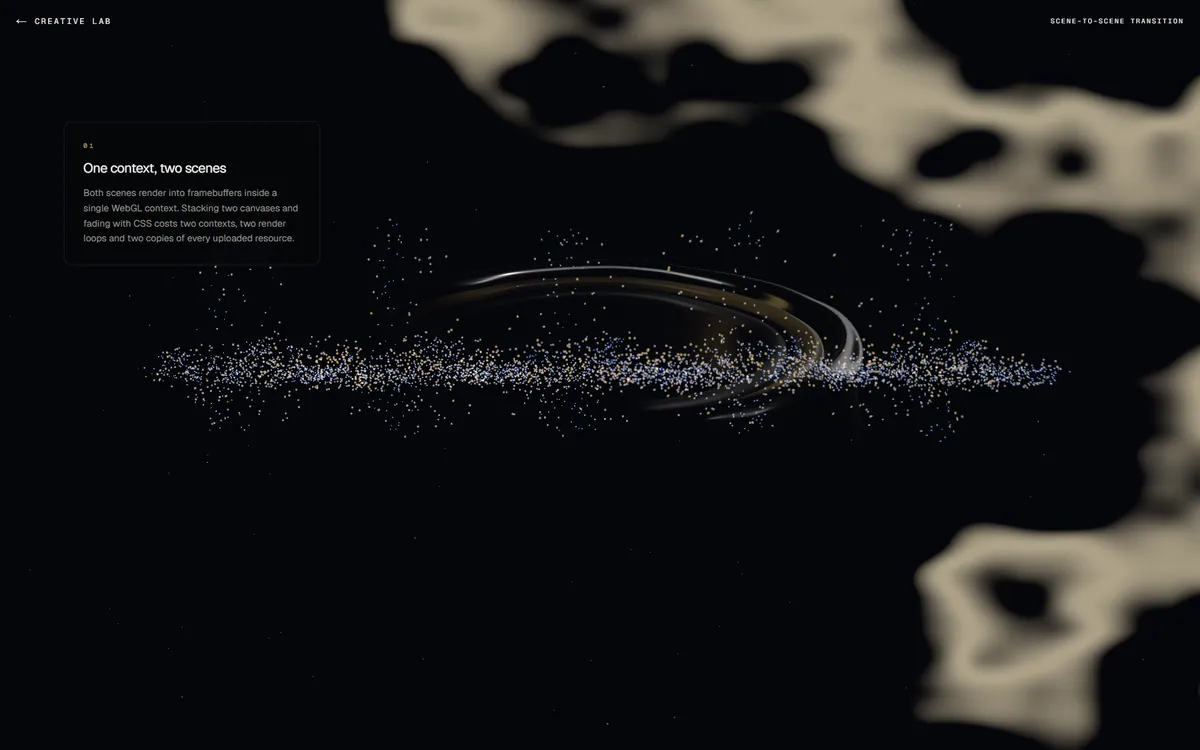
  3. 11Scene-to-scene transitionTwo scenes into framebuffers, composited by a shader that warps each one toward the seam.FBOcreatePortalmanual render loop
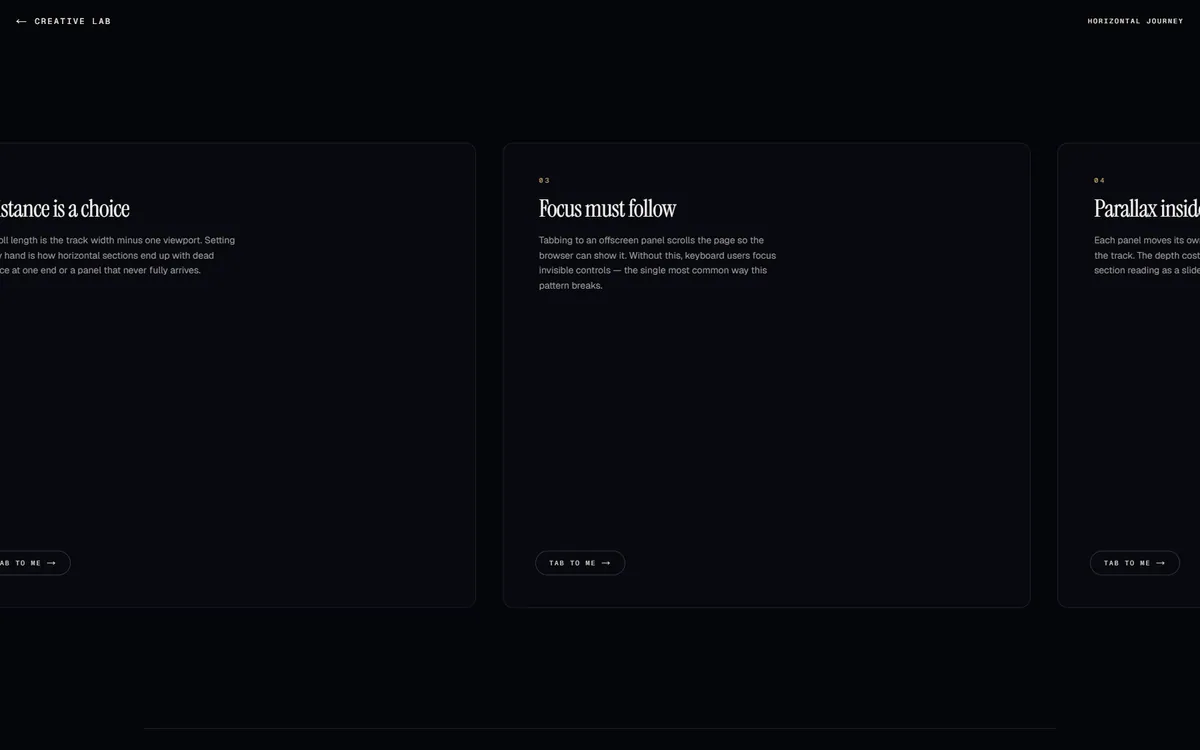
  4. 12Horizontal journeyPinned horizontal track that keeps focus reachable and collapses to a vertical list under reduced motion.ScrollTrigger pinfocusin mappinginvalidateOnRefresh
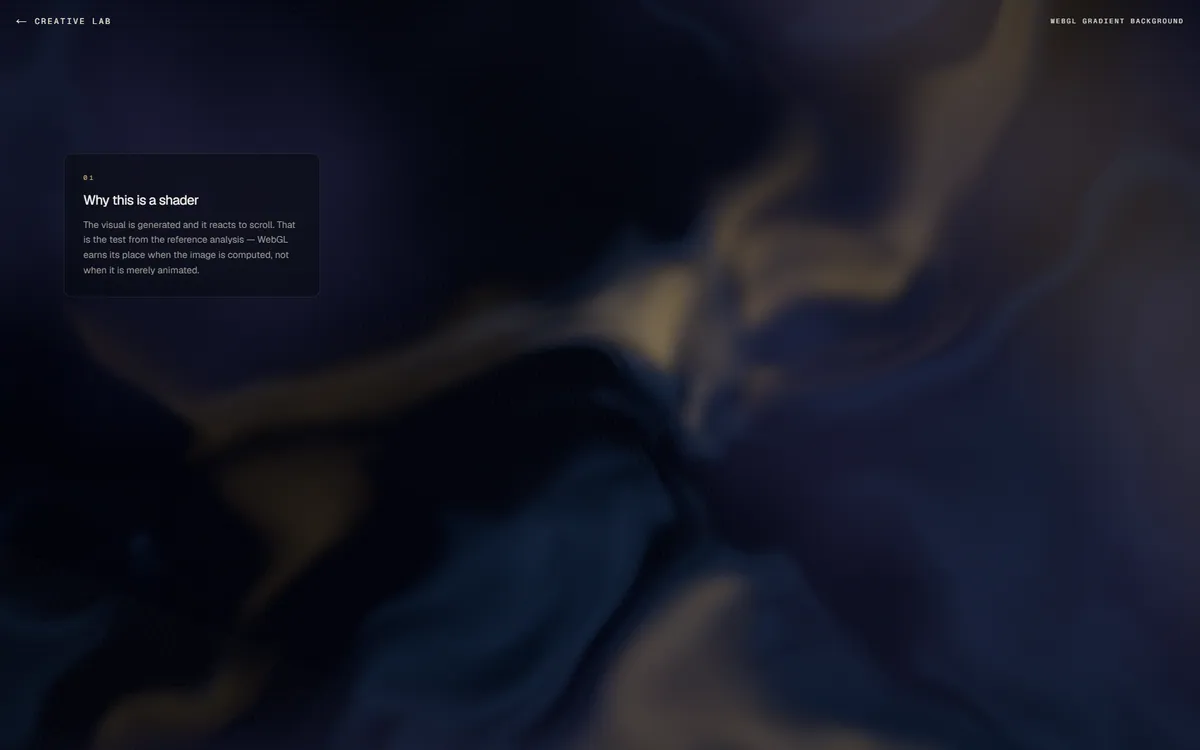
  5. 13WebGL gradient backgroundA procedural background that costs less than the video file it replaces.GLSLfbmdithering
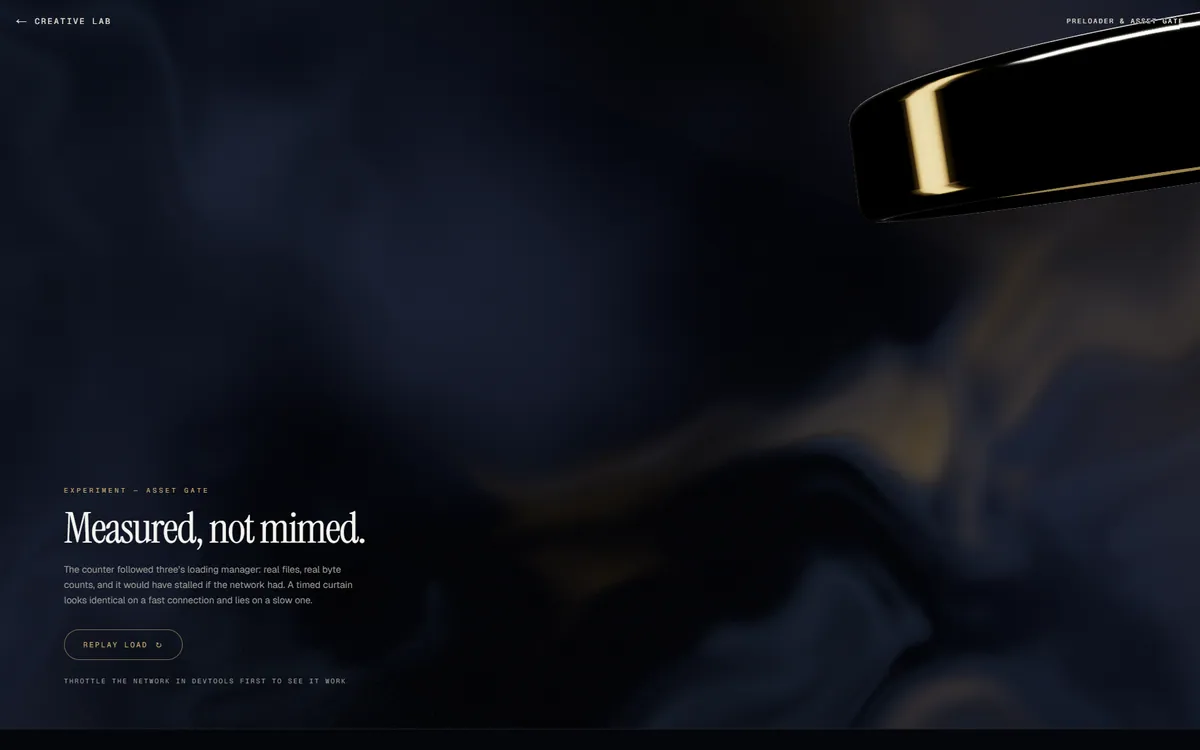
  6. 14Preloader & asset gateCounter follows three loading manager bytes; handles the active-flag flicker and the cache.DefaultLoadingManagerdrei useProgress
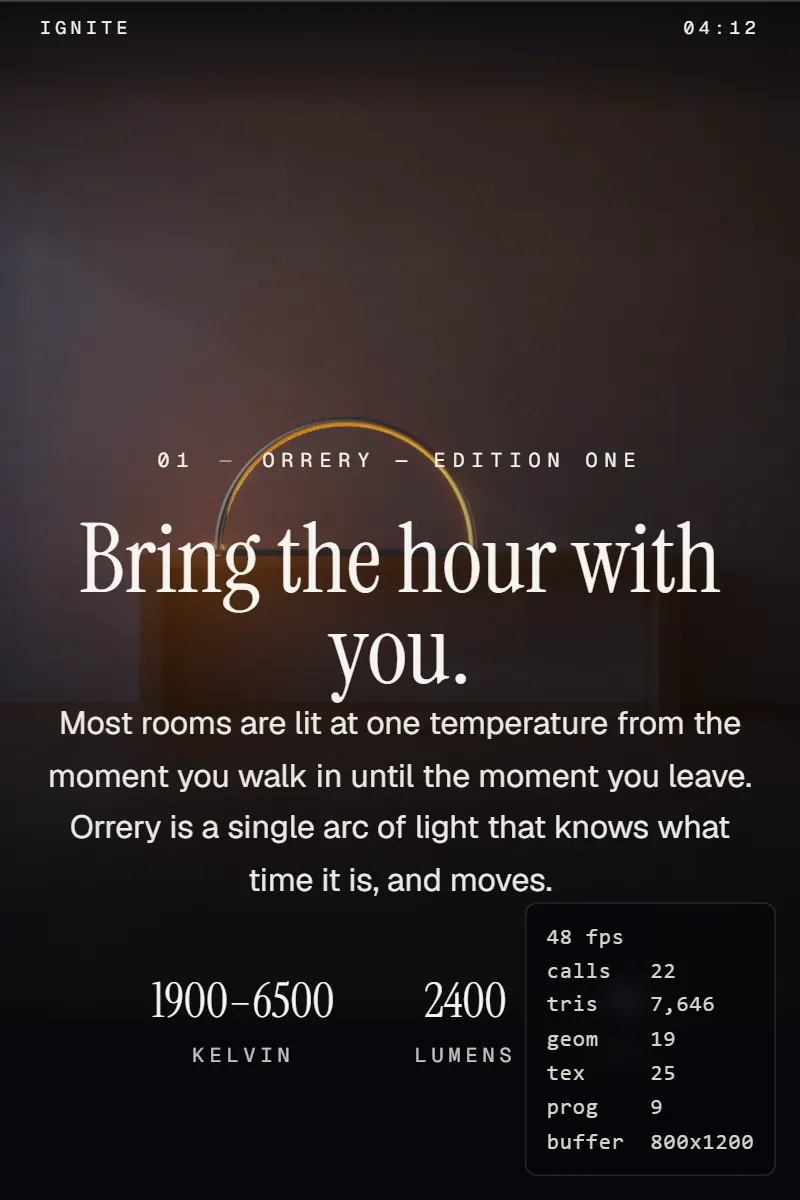
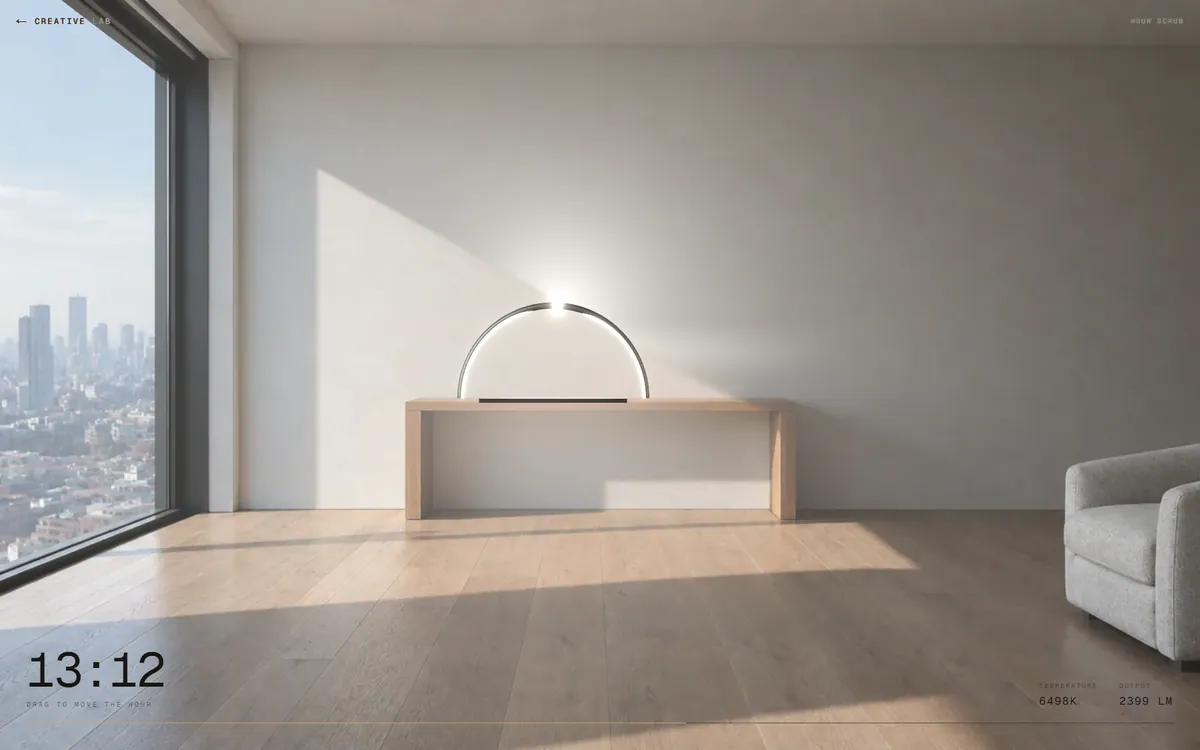
  7. 15Hour scrubDrag the hour: a head travels an arc, its colour temperature climbs 1900K to 6500K and back, and three photographic plates of one room take its light. WebGL earns the canvas here because the light is computed and continuously responsive — a video could not be dragged.drag + inertiaKelvin to linear RGBplate blending
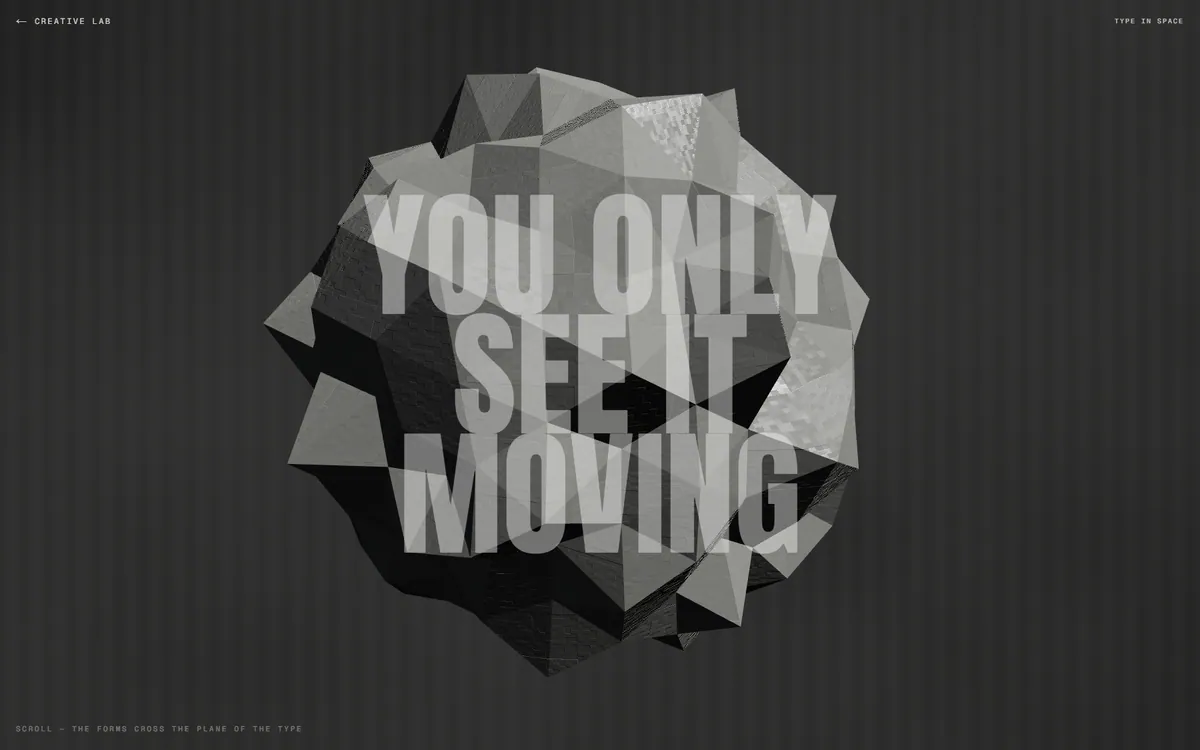
  8. 16Type in spaceTwo WebGL contexts with the headline as DOM between them, so procedural forms pass in front of and behind real text. The canvas earns its place by doing the one thing a single canvas cannot: keeping the depth without turning the words into a texture nobody can select, translate or zoom.dual contextDOM/WebGL depth sandwichprocedural geometry

Wyrelane Solutions

Most agencies guess. We measured.
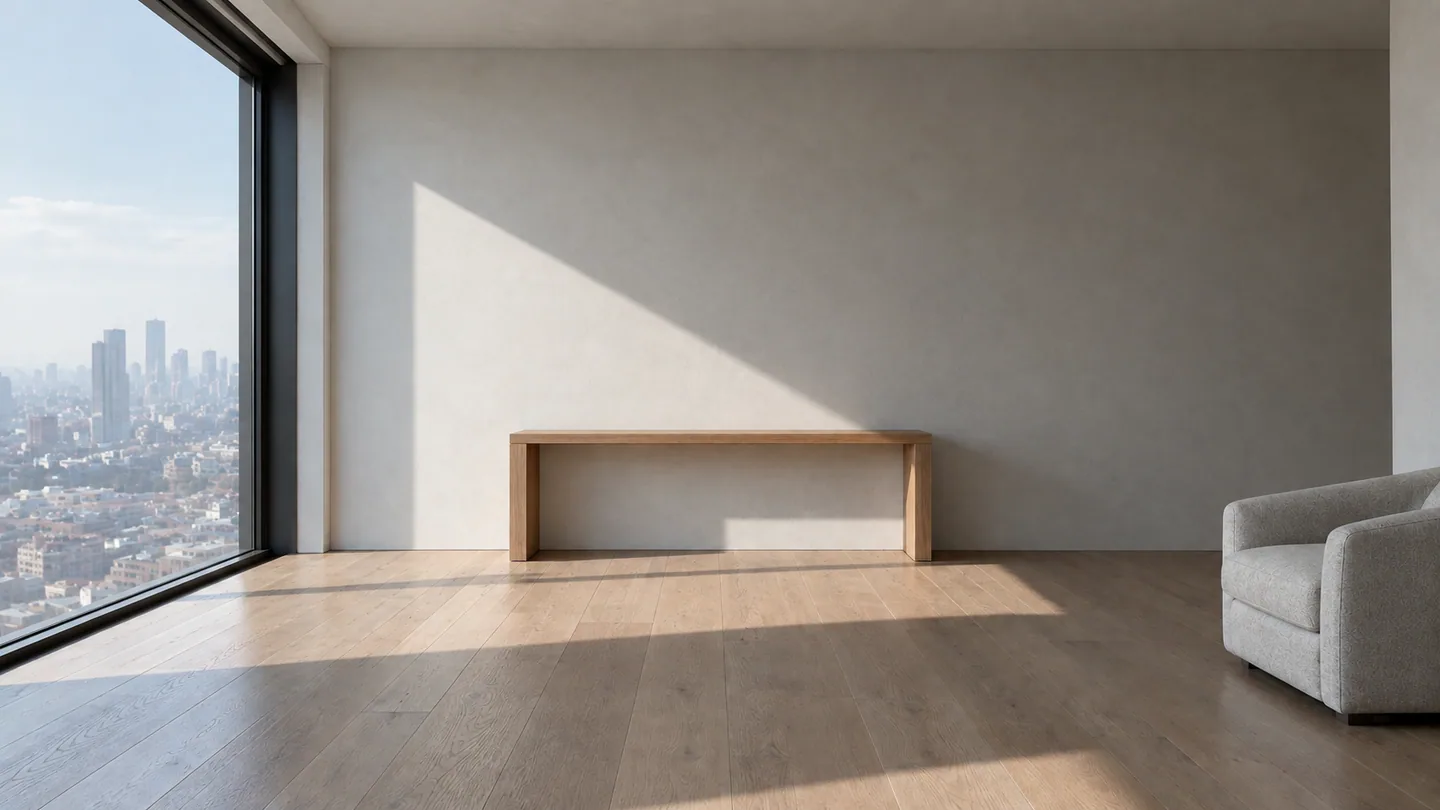
A quiet sunlit room — the photographic plate behind the lab's Orrery flagship

Fixed price,
weekly demos.

We picked well-known examples of premium interactive web and measured how they are actually built — then rebuilt them here, in public. The expensive-looking web is mostly flat assets, animated carefully.

So we can tell you where the budget needs to go before you spend it, and build it with a senior team under one roof: design, engineering, QA and project management.

20+Projects shipped
5.0Client rating

Questions

Asked beforewe start.

01What does Wyrelane Studio build?

Immersive websites and product pages with scroll-driven 3D, WebGL and motion design, plus the web apps behind them: React and Next.js applications, AI tools, SaaS products and e-commerce stores. Wyrelane Studio is the creative development studio of Wyrelane Solutions.

02Do you build 3D and WebGL websites with Three.js?

Yes. We build interactive 3D scenes with Three.js and React Three Fiber, custom GLSL shaders and scroll-driven camera work — and only reach for WebGL when CSS, video or an image sequence cannot do the job better. Every technique is proved in its own experiment first.

03Will an animated, immersive website still be fast and work on phones?

It has to. Every page is tested on a phone before it ships, scales its effects to the device, and respects reduced-motion settings with a calm, complete version. Headings, copy and calls to action stay real HTML, so the page is readable and indexable even without the animation.

04Which technologies do you use?

Next.js and React for the application, GSAP and ScrollTrigger for motion, Lenis for smooth scrolling, Three.js and React Three Fiber for 3D, and custom shaders where a scene needs them. Assets are compressed before they ship.

05How long does a project take, and how is it priced?

Most projects take between 2 and 12 weeks depending on scope: web apps 2–12 weeks, immersive web 3–8 weeks, AI tools 2–6 weeks, SaaS and e-commerce 4–12 weeks. Pricing is fixed per milestone, with a demo every week.

06How do we start?

Send us the goal in a paragraph or book a consultation. We reply within 6–12 hours with a scope, a timeline and a fixed price — no strings attached.

Engage

Send us
the brief.

Tell us the goal in a paragraph.
We reply in 6–12 hours.

Scope, timeline and a fixed price. No strings attached.